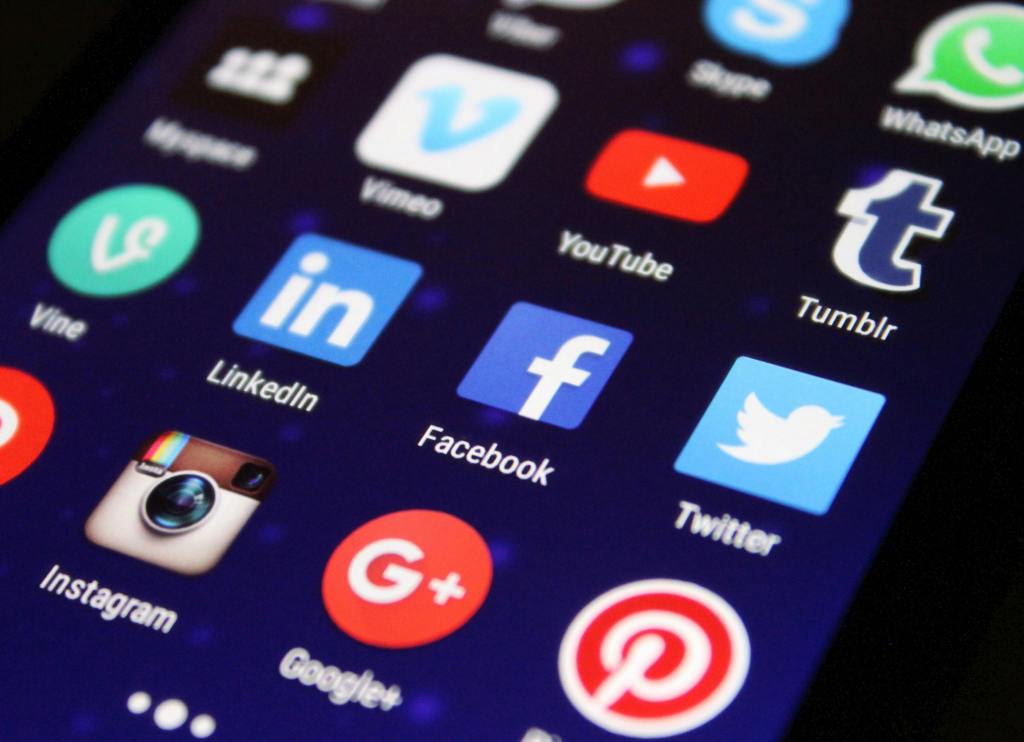
In the last decade, social media has transformed the way we communicate, share information, and perceive the world. Platforms like Facebook, Instagram, Twitter, and TikTok have become integral to our daily lives, connecting us with friends, family, and global communities. However, as our engagement with social media grows, so does our concern about its impact on our mental and neurological health. This blog post explores what social media is doing to our brains and how we can navigate its effects.
The Positive Impacts of Social Media
- Enhanced Connectivity: Social media allows us to maintain relationships across long distances, reconnect with old friends, and build new connections. This connectivity can improve our sense of belonging and support networks.
- Access to Information: Platforms provide immediate access to news, educational content, and diverse perspectives. This can enhance our knowledge, awareness, and empathy towards global issues.
- Opportunities for Expression: Social media gives users a platform to share their thoughts, creativity, and experiences. This self-expression can be therapeutic and help in building a personal identity.
The Negative Impacts of Social Media on the Brain
- Dopamine Addiction: Social media is designed to be addictive, leveraging the brain’s reward system. Notifications, likes, and shares trigger dopamine releases, creating a cycle of dependency that can affect our ability to focus and experience pleasure from offline activities.
- Reduced Attention Span: The constant influx of information and the need for quick responses can shorten our attention span. Studies suggest that the more we engage with social media, the harder it becomes to concentrate on longer, more demanding tasks.
- Social Comparison: Platforms often highlight idealized versions of reality, leading to constant comparisons. This can result in feelings of inadequacy, low self-esteem, and even depression as we measure ourselves against seemingly perfect lives and achievements of others.
- Sleep Disruption: The use of social media, especially before bed, can interfere with sleep patterns. The blue light emitted by screens disrupts the production of melatonin, the hormone that regulates sleep, leading to insomnia and poor sleep quality.
- Anxiety and Depression: Excessive use of social media has been linked to increased levels of anxiety and depression. The pressure to keep up with peers, fear of missing out (FOMO), and exposure to negative content can significantly affect mental health.
Managing Social Media’s Impact on Your Brain
- Set Boundaries: Limit your social media use by setting specific times for browsing and sticking to them. Avoid using social media before bedtime to improve sleep quality.
- Curate Your Feed: Follow accounts that inspire and uplift you. Unfollow or mute accounts that cause stress or negative feelings. A positive feed can improve your mental health.
- Engage Mindfully: Be conscious of how you use social media. Focus on meaningful interactions rather than passive scrolling. Engaging with content thoughtfully can enhance your experience and reduce the negative impacts.
- Take Breaks: Regular breaks from social media can help reset your brain and reduce dependency. Use this time to engage in offline activities that bring you joy and relaxation.
Ensuring Your Safety
While navigating social media, it’s crucial to maintain your safety and security. One effective way to protect yourself is by using resources like PeopleSearcher.com for comprehensive background checks. Whether you’re connecting with new people online, considering a business partnership, or meeting someone from a dating app, PeopleSearcher.com provides detailed information about individuals, helping you verify their authenticity and credibility. This tool can be invaluable in ensuring that your online interactions remain safe and trustworthy.
Conclusion
Social media is a double-edged sword with the potential to both enrich and detract from our mental and neurological well-being. By understanding its impacts on our brains, we can take proactive steps to manage our usage and mitigate negative effects. Setting boundaries, curating a positive feed, engaging mindfully, and taking regular breaks are all strategies that can help maintain a healthy relationship with social media.
Moreover, ensuring your safety through resources like PeopleSearcher.com can further enhance your online experience by providing peace of mind and confidence in your digital interactions. By balancing the benefits and risks, you can enjoy the advantages of social media while protecting your mental health and security.
 PeopleSearcher Blog
Leave a comment